
The Loyal Opposition
A Cornerstone of Democratic Integrity

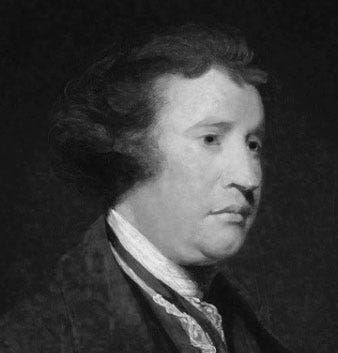
A state without the means of some change is without the means of its conservation.
Edmund Burke
In a democracy, the concept of the loyal opposition is essential. It embodies the belief that dissent isn’t a betrayal of the state but a reinforcement of democratic principles. Rooted in the British parliamentary system, loyal opposition serves as a powerful reminder that governance thrives not in the absence of disagreement but through respectful, constructive challenge. This essay explores the origins and evolution of the loyal opposition within the UK, examining how it became a pillar of democratic integrity and remains a model for constructive dissent.
The Historical Roots of Loyal Opposition
The term "loyal opposition" originated in the 18th-century British political landscape, where structured ways to critique the government without compromising national unity emerged. As Parliament evolved into a representative body, political factions like the Whigs and Tories formed, each with sharply opposing views. Despite ideological divides, both factions shared a commitment to the nation’s stability, setting the stage for a political tradition that respects dissent as essential to a balanced state.
By the 19th century, this principle of loyal opposition was fully formalized, creating a dedicated system of checks and balances. This respect for dissent, grounded in mutual loyalty to the state, became pivotal in preserving democratic stability. Edmund Burke echoed this sentiment, warning that “a state without the means of some change is without the means of its conservation.”
Philosophical Foundations of the Loyal Opposition
At its core, loyal opposition is about holding the government accountable while respecting the legitimacy of the state. This principle resonates with the works of thinkers like John Stuart Mill, who asserted, “He who knows only his own side of the case knows little of that.” Mill argued that progress is forged through the clash of differing ideas, advocating that freedom of expression is not only a personal right but a civic duty for a healthy society. Burke added that loyalty to one’s country does not necessitate blind allegiance to its government.
The British system institutionalized this balance by formally recognizing the opposition’s duty to critique policies and propose alternatives. Through structured roles and procedures, members of the opposition play an active role in shaping policy, not simply blocking it. This framework has fostered a culture of mutual respect and debate that strengthens democracy by valuing diverse perspectives.
The Role of the Shadow Cabinet
One of the most distinctive features of the British loyal opposition is the Shadow Cabinet. Established in the early 20th century, the Shadow Cabinet allows the opposition to act as a “government-in-waiting,” with each shadow minister assigned to scrutinize a specific government minister and present alternative approaches. This structure not only holds the ruling party accountable but also prepares opposition members for a smooth transition to power if elected. The Shadow Cabinet exemplifies the proactive, policy-driven nature of the loyal opposition, reinforcing that opposition is not reactionary but a constructive force within governance.
Former British Prime Minister Clement Attlee described the Shadow Cabinet’s role as “an instrument of policy and reform, not merely of criticism,” underscoring its importance in shaping legislation. By presenting credible policy alternatives, the Shadow Cabinet enables a meaningful debate on key issues, enhancing democratic resilience.
Why Loyal Opposition Matters
In a democracy, the loyal opposition serves several critical functions:
Accountability: Through consistent scrutiny, the opposition ensures transparency and keeps those in power answerable to the people.
Representation of Minority Voices: The opposition provides a platform for citizens who didn’t vote for the ruling party, safeguarding diversity of perspective in governance.
Policy Alternatives: By presenting different policies, the loyal opposition enriches democratic debate and offers the public more choices.
An effective loyal opposition protects democracy from authoritarian tendencies by reinforcing that dissent, respectfully voiced, strengthens democratic institutions rather than undermining them.
Conclusion: A Model for Today’s Democracies
The British model of loyal opposition remains a powerful example of how democracies can harness dissent as a constructive force. In today’s polarized political landscape, this concept offers a path to restoring trust in democratic institutions. By upholding the principles of loyal opposition, democracies can foster a culture of accountability, respect, and collaboration, proving that democracy thrives not through homogeneity but through a shared commitment to principled debate.
For a Deeper Take
The British Constitution in the Twentieth Century by Vernon Bogdanor
Parliament by Ivor Jennings
On Liberty by John Stuart Mill
Political Opposition in the Contemporary World by Jean Blondel